


Get In Touch


+91-9995829239

aravindjjofficial@gmail.com
Why is PUBG Mobile the most played game in India?
From a UI/UX perspective
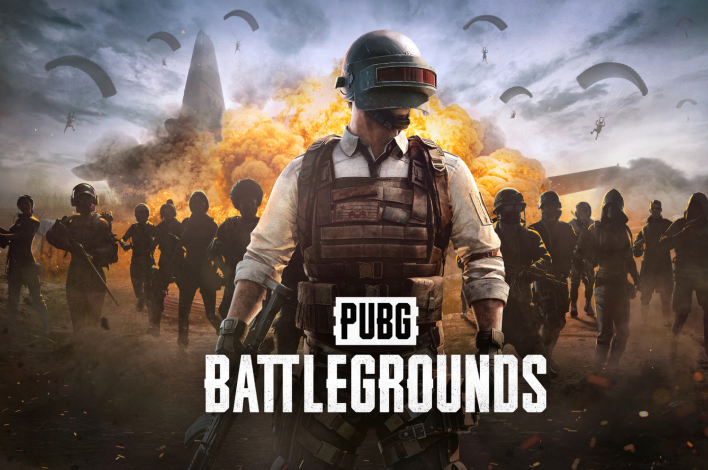
PlayerUnknown’s Battlegrounds (PUBG) mobile remains one of the most played mobile games across the world and has received a 4-star rating in Google Play store. The game was developed by PUBG Corporation and released in December 2017 and ever since the game has grabbed attention from gamers all over the world. It was also on the list of the prominent games played during the Covid-19 pandemic lockdown period. Almost 22 lakh people from India alone played the game in one month, making it the most played game in the country. Apart from the gaming experience, I thought of digging a bit deeper into the UI/UX perspective of it and find out how PUBG is still one of the most sought-after games in India even after getting banned in the country.
What is PUBG?
Let me just brief a bit about the game for those who haven’t come across it yet. PUBG is basically a battle royale game wherein around 100 players jump from planes and parachute themselves to various locations that are spread across a wide geographical map. The objective of every game is the same and it is to be the sole remaining player at the end of the game. That means you choose to play the game and the strategies you apply to survive is up to you. All the players begin the game with nothing in their hand, and as they advance they search every building in the premise for weapons, armours and medical kits. This is called “looting” and that is the very first thing you do after landing. All that you acquire by looting throughout the match might determine how you play the game. Shortly after looting once the game starts, a large circle will be placed on the map randomly. This circle is the play area for all the players, and once the players enter the circle, the game then resumes as normal. The area outside this circle is called “Blue Zone”. If in any case, the player is inside the Blue Zone, the player’s health will start receding slowly, until there is no more left. Further, the play area starts to reduce in size through different phases. This encourages the player to be on his legs all the time and will, in turn, result in the situation being difficult for the player to remain hidden through the game. In a Battle Royale game, the ultimate goal is to emerge as the last standing player and by making the game more challenging, it encourages the player to spend more time playing and trying to reach that ultimate goal.
Before going any further, it will be easier for you guys if I do a small comparison between PUBG and another game which literally got thrashed with the arrival of PUBG; Mini Militia.
Mini Militia and PUBG — Who did it better?
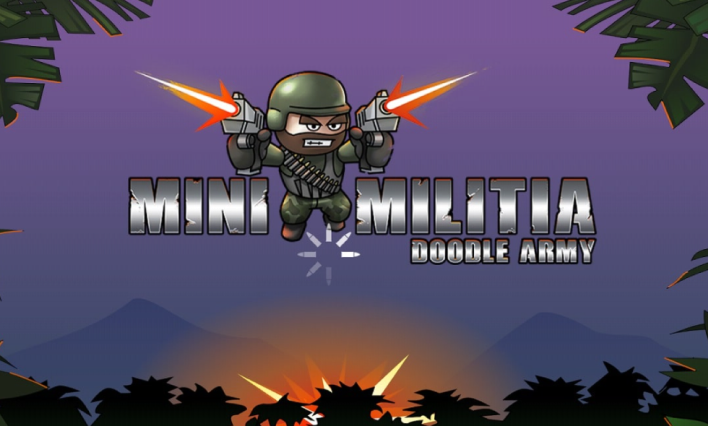
A game becomes interesting when we can play with our friends/family. And that was a common feature in both Mini Militia and PUBG. And how about talking and communicating with them through the game? Sounds more appealing, right? Giving the user a bit more than what they expect is exactly what PUBG did, and that was what Mini Militia was lagging as well, and therefore gamers didn’t have to think twice before choosing PUBG over Mini Militia. Imagine, you have been playing a game for a while and one fine morning, a new game shows up of a similar genre but with a 3D experience and better features. What will you do? You will naturally switch to the new game. Now I don’t want to make this a lengthy blog, so I am just going to focus on one feature that plays a major role in the success behind PUBG according to me (keeping aside the 3D graphics part).
What makes PubG the coolest Battle Royale?
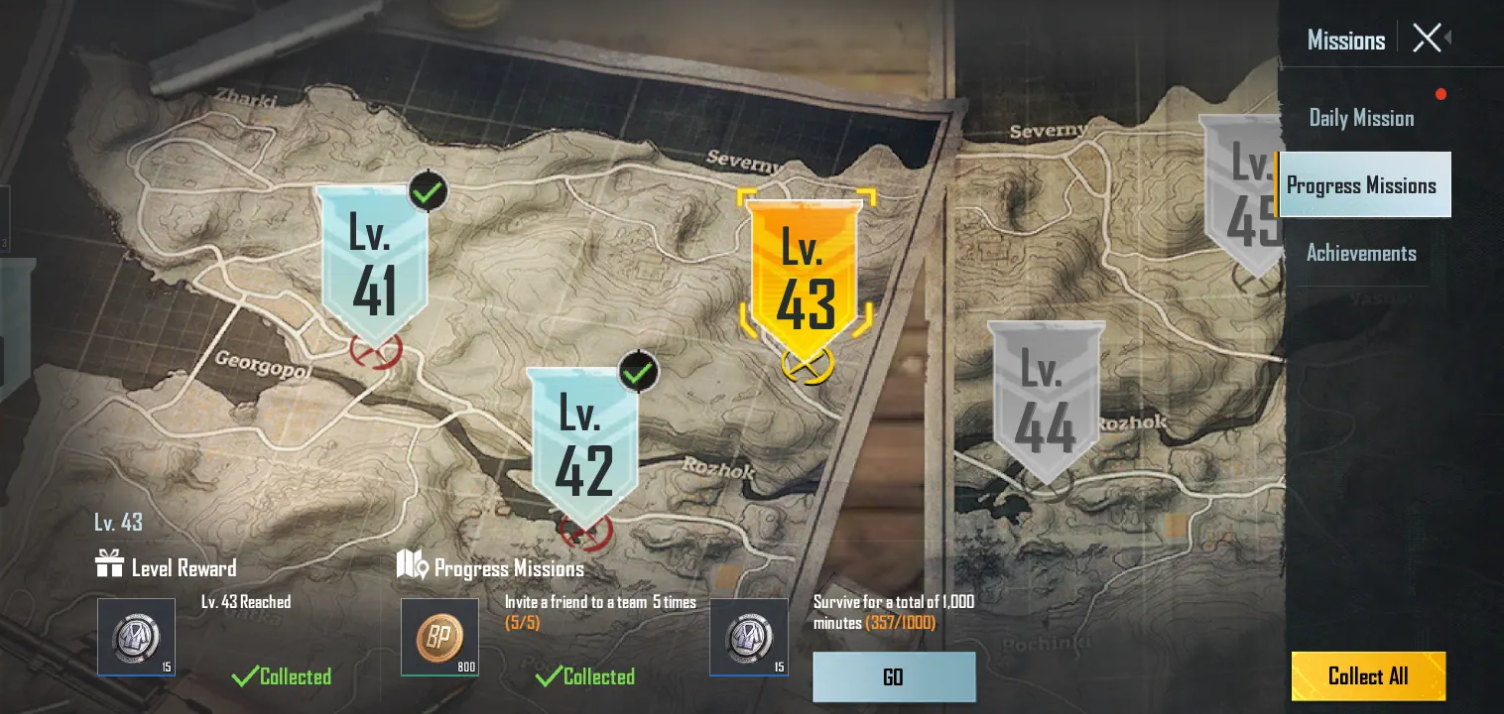
A key factor behind PUBG’s success is Progressive disclosure. Progressive disclosure is a method of disclosing information to the user in a progressive manner, ie, from simple to complex. It’s a really good technique of disclosing information where, initially, users are given only a few of the most important options. Further, the secondary features are only disclosed if a user asks for them, which means most users can proceed with their tasks without worrying about this added complexity. This hierarchy in providing options exists because most users would quit the app if several options are provided at the beginning. Whereas, many other users might be prone to commit mistakes while going through the tedious choosing process. Therefore, progressive disclosure can be considered as a method in which the user makes few or no errors at all while interacting with the application interface. In short, progressive disclosure is a technique which makes the app simple, clean and clutter-free.
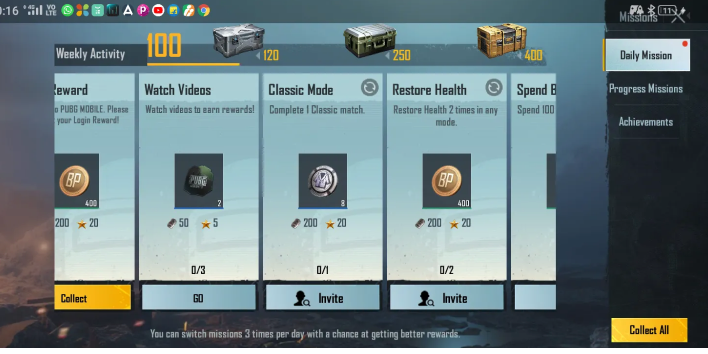
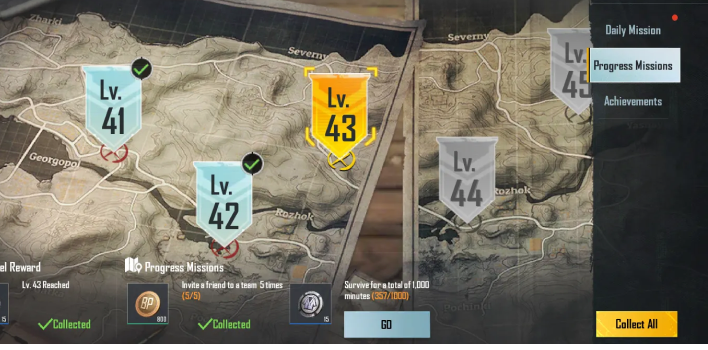
Examples of Progressive disclosure in PUBG
PUBG has exceptionally disguised this technique in its application. Now, there are other battle royale games that have used this method before in one way or the other but failed. And the prime reason for that was a less attractive and cluttered UI. PUBG learned from those mistakes that their competitors did and came up with a better and a more clutter-free UI and it worked.
The Royale Pass
This doesn’t mean that the player has to keep on playing the same game over and over to progress and earn the RP’s. The game developers have given serious thought to this and have come up with some solutions. There are multiple maps or locations to choose from various game modes. Now you might think, this is what almost all games offer, right? I won’t argue with you on that, because there are other games which use the same method successfully but not quite as successful as PUBG. The reason for this is, PUBG keeps updating their existing maps/locations and sometimes even adds new ones every now and then. So when there is a new map or a new feature update, you get a notification which tempts you to log in and check out. It’s not just that, they have a map in arcade mode called “Gun game” which is available only a couple of times in a week. When you like something and it’s just accessible for a limited period, what will you do? You make the maximum of it, right? It’s basic human nature and PUBG has cashed in on that. Brilliant.. Very brilliant.
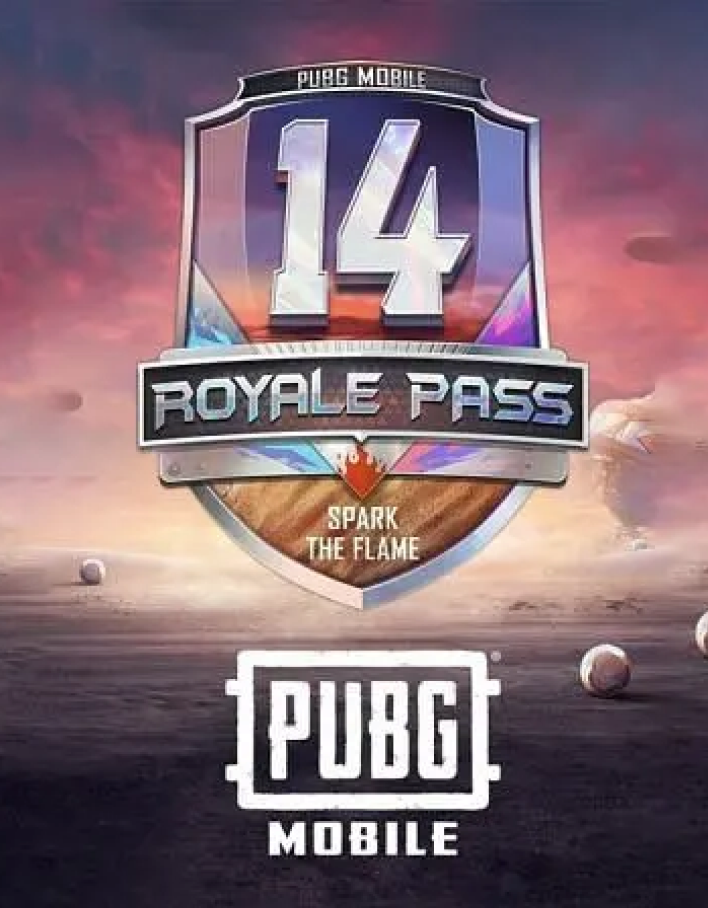
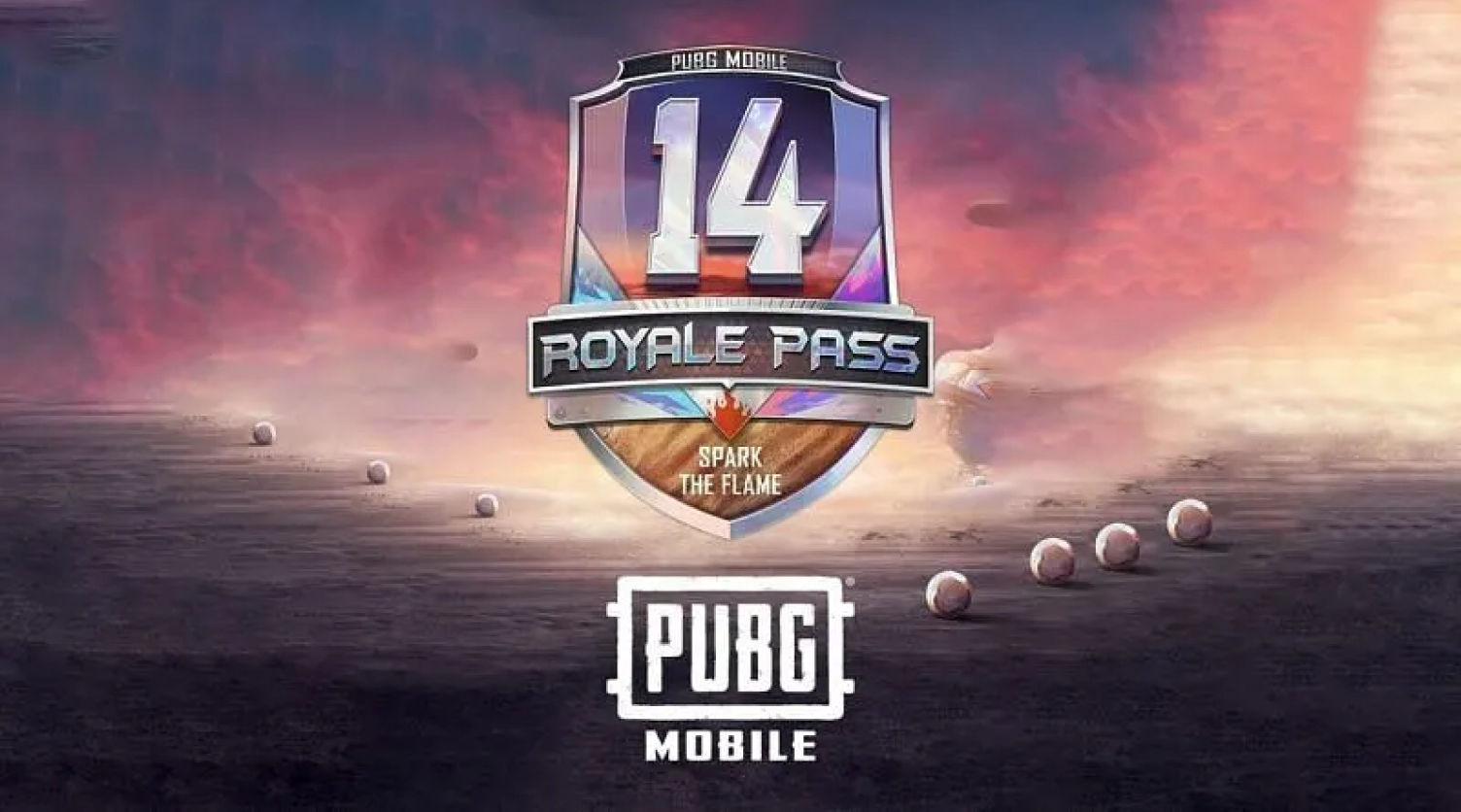
Now there is one feature, I need to focus on. It’s called Royal Pass (RP). For those unfamiliar with the term, PUBG progresses in seasons and each season lasts for roughly 3 months. Apart from the normal matches, there will be small tasks that a player should complete within each match he plays. For every completed task the player receives 10 or 20 coins. Upon receiving 100 coins, the player will get 1 Royal Pass (RP). RP can also be considered as a player’s rank. Keep in mind that these RP’s reset after each season. And the players will also be gifted with some other accessories and gadgets that can be used inside the game upon receiving 10 or 20 RPs. This means that the player gets something new every 2 or 3 games. The player has to earn them; in other words, the player has to “progress” to earn his gifts. Of course, there is an option for the players to not chase the RP’s and just keep playing the game. That’s what I initially did while playing PUBG. But when you find that your co-player/friends are getting new costumes or unlocking new weapons, while you are stuck at level 1 even though you have been playing the game regularly, you tend to hunt for RP’s. When you start hunting for RP’s, you, in turn, spend more time playing the game.
Learn from PUBG
It is often said and believed that UX and human psychology go hand in hand. Developing an application isn’t really a task. However, getting people to love the app and to choose it over the zillion similar options available in the market is quite laborious. You need to do thorough research about — the user psychology, the target age group, what features they are fond of in your application, what more do they expect and so on. The key is to analyse and continuously update your app accordingly. PUBG is the perfect example of that and this is exactly what makes PUBG the coolest ‘Battle Royale’.

Get In Touch
Have a project in mind or just want to say hi? I’d love to hear from you!
+91-9995829239
aravindjjofficial@gmail.com
Experience
Works
Blogs
Testimonials


Get In Touch
Have a project in mind or just want to say hi? I’d love to hear from you!
+91-9995829239
aravindjjofficial@gmail.com
Why is PUBG Mobile the most played game in India?
From a UI/UX perspective
PlayerUnknown’s Battlegrounds (PUBG) mobile remains one of the most played mobile games across the world and has received a 4-star rating in Google Play store. The game was developed by PUBG Corporation and released in December 2017 and ever since the game has grabbed attention from gamers all over the world. It was also on the list of the prominent games played during the Covid-19 pandemic lockdown period. Almost 22 lakh people from India alone played the game in one month, making it the most played game in the country. Apart from the gaming experience, I thought of digging a bit deeper into the UI/UX perspective of it and find out how PUBG is still one of the most sought-after games in India even after getting banned in the country.
What is PUBG?
Let me just brief a bit about the game for those who haven’t come across it yet. PUBG is basically a battle royale game wherein around 100 players jump from planes and parachute themselves to various locations that are spread across a wide geographical map. The objective of every game is the same and it is to be the sole remaining player at the end of the game. That means you choose to play the game and the strategies you apply to survive is up to you. All the players begin the game with nothing in their hand, and as they advance they search every building in the premise for weapons, armours and medical kits. This is called “looting” and that is the very first thing you do after landing. All that you acquire by looting throughout the match might determine how you play the game. Shortly after looting once the game starts, a large circle will be placed on the map randomly. This circle is the play area for all the players, and once the players enter the circle, the game then resumes as normal. The area outside this circle is called “Blue Zone”. If in any case, the player is inside the Blue Zone, the player’s health will start receding slowly, until there is no more left. Further, the play area starts to reduce in size through different phases. This encourages the player to be on his legs all the time and will, in turn, result in the situation being difficult for the player to remain hidden through the game. In a Battle Royale game, the ultimate goal is to emerge as the last standing player and by making the game more challenging, it encourages the player to spend more time playing and trying to reach that ultimate goal.
Before going any further, it will be easier for you guys if I do a small comparison between PUBG and another game which literally got thrashed with the arrival of PUBG; Mini Militia.
Mini Militia and PUBG — Who did it better?
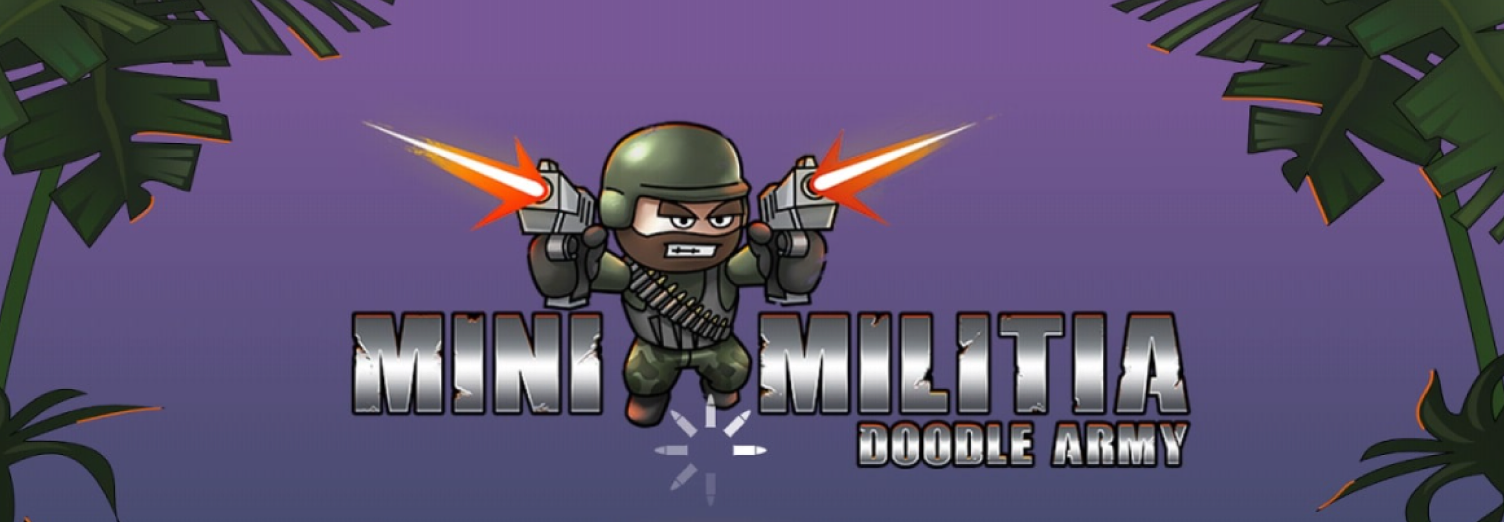
A game becomes interesting when we can play with our friends/family. And that was a common feature in both Mini Militia and PUBG. And how about talking and communicating with them through the game? Sounds more appealing, right? Giving the user a bit more than what they expect is exactly what PUBG did, and that was what Mini Militia was lagging as well, and therefore gamers didn’t have to think twice before choosing PUBG over Mini Militia. Imagine, you have been playing a game for a while and one fine morning, a new game shows up of a similar genre but with a 3D experience and better features. What will you do? You will naturally switch to the new game. Now I don’t want to make this a lengthy blog, so I am just going to focus on one feature that plays a major role in the success behind PUBG according to me (keeping aside the 3D graphics part).
What makes PubG the coolest Battle Royale?
A key factor behind PUBG’s success is Progressive disclosure. Progressive disclosure is a method of disclosing information to the user in a progressive manner, ie, from simple to complex. It’s a really good technique of disclosing information where, initially, users are given only a few of the most important options. Further, the secondary features are only disclosed if a user asks for them, which means most users can proceed with their tasks without worrying about this added complexity. This hierarchy in providing options exists because most users would quit the app if several options are provided at the beginning. Whereas, many other users might be prone to commit mistakes while going through the tedious choosing process. Therefore, progressive disclosure can be considered as a method in which the user makes few or no errors at all while interacting with the application interface. In short, progressive disclosure is a technique which makes the app simple, clean and clutter-free.
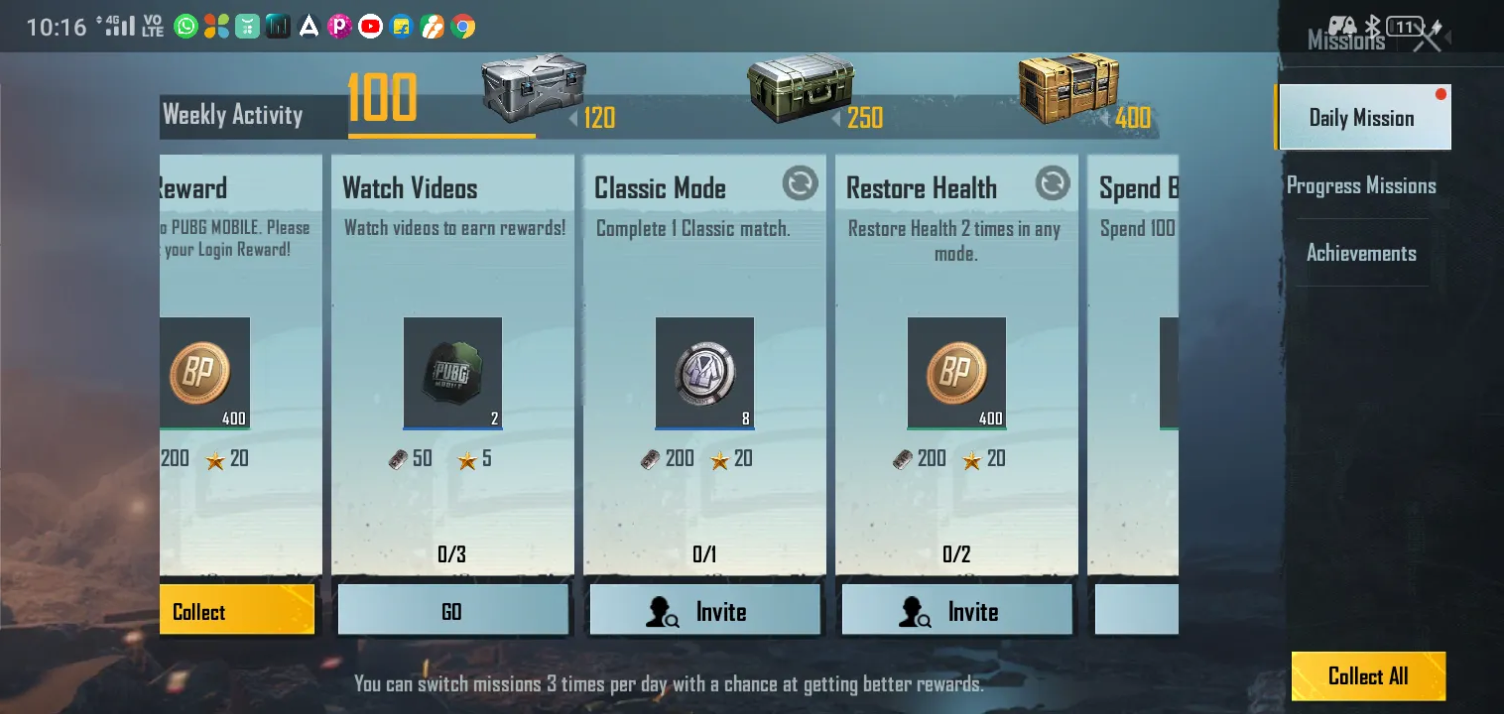
Examples of Progressive disclosure in PUBG
PUBG has exceptionally disguised this technique in its application. Now, there are other battle royale games that have used this method before in one way or the other but failed. And the prime reason for that was a less attractive and cluttered UI. PUBG learned from those mistakes that their competitors did and came up with a better and a more clutter-free UI and it worked.
The Royale Pass
This doesn’t mean that the player has to keep on playing the same game over and over to progress and earn the RP’s. The game developers have given serious thought to this and have come up with some solutions. There are multiple maps or locations to choose from various game modes. Now you might think, this is what almost all games offer, right? I won’t argue with you on that, because there are other games which use the same method successfully but not quite as successful as PUBG. The reason for this is, PUBG keeps updating their existing maps/locations and sometimes even adds new ones every now and then. So when there is a new map or a new feature update, you get a notification which tempts you to log in and check out. It’s not just that, they have a map in arcade mode called “Gun game” which is available only a couple of times in a week. When you like something and it’s just accessible for a limited period, what will you do? You make the maximum of it, right? It’s basic human nature and PUBG has cashed in on that. Brilliant.. Very brilliant.
Now there is one feature, I need to focus on. It’s called Royal Pass (RP). For those unfamiliar with the term, PUBG progresses in seasons and each season lasts for roughly 3 months. Apart from the normal matches, there will be small tasks that a player should complete within each match he plays. For every completed task the player receives 10 or 20 coins. Upon receiving 100 coins, the player will get 1 Royal Pass (RP). RP can also be considered as a player’s rank. Keep in mind that these RP’s reset after each season. And the players will also be gifted with some other accessories and gadgets that can be used inside the game upon receiving 10 or 20 RPs. This means that the player gets something new every 2 or 3 games. The player has to earn them; in other words, the player has to “progress” to earn his gifts. Of course, there is an option for the players to not chase the RP’s and just keep playing the game. That’s what I initially did while playing PUBG. But when you find that your co-player/friends are getting new costumes or unlocking new weapons, while you are stuck at level 1 even though you have been playing the game regularly, you tend to hunt for RP’s. When you start hunting for RP’s, you, in turn, spend more time playing the game.
Learn from PUBG
It is often said and believed that UX and human psychology go hand in hand. Developing an application isn’t really a task. However, getting people to love the app and to choose it over the zillion similar options available in the market is quite laborious. You need to do thorough research about — the user psychology, the target age group, what features they are fond of in your application, what more do they expect and so on. The key is to analyse and continuously update your app accordingly. PUBG is the perfect example of that and this is exactly what makes PUBG the coolest ‘Battle Royale’.
Experience
Works
Blogs
Testimonials


Get In Touch
Have a project in mind or just want to say hi? I’d love to hear from you!
+91-9995829239
aravindjjofficial@gmail.com
Why is PUBG Mobile the most played game in India?
From a UI/UX perspective
PlayerUnknown’s Battlegrounds (PUBG) mobile remains one of the most played mobile games across the world and has received a 4-star rating in Google Play store. The game was developed by PUBG Corporation and released in December 2017 and ever since the game has grabbed attention from gamers all over the world. It was also on the list of the prominent games played during the Covid-19 pandemic lockdown period. Almost 22 lakh people from India alone played the game in one month, making it the most played game in the country. Apart from the gaming experience, I thought of digging a bit deeper into the UI/UX perspective of it and find out how PUBG is still one of the most sought-after games in India even after getting banned in the country.
What is PUBG?
Let me just brief a bit about the game for those who haven’t come across it yet. PUBG is basically a battle royale game wherein around 100 players jump from planes and parachute themselves to various locations that are spread across a wide geographical map. The objective of every game is the same and it is to be the sole remaining player at the end of the game. That means you choose to play the game and the strategies you apply to survive is up to you. All the players begin the game with nothing in their hand, and as they advance they search every building in the premise for weapons, armours and medical kits. This is called “looting” and that is the very first thing you do after landing. All that you acquire by looting throughout the match might determine how you play the game. Shortly after looting once the game starts, a large circle will be placed on the map randomly. This circle is the play area for all the players, and once the players enter the circle, the game then resumes as normal. The area outside this circle is called “Blue Zone”. If in any case, the player is inside the Blue Zone, the player’s health will start receding slowly, until there is no more left. Further, the play area starts to reduce in size through different phases. This encourages the player to be on his legs all the time and will, in turn, result in the situation being difficult for the player to remain hidden through the game. In a Battle Royale game, the ultimate goal is to emerge as the last standing player and by making the game more challenging, it encourages the player to spend more time playing and trying to reach that ultimate goal.
Before going any further, it will be easier for you guys if I do a small comparison between PUBG and another game which literally got thrashed with the arrival of PUBG; Mini Militia.
Mini Militia and PUBG — Who did it better?
A game becomes interesting when we can play with our friends/family. And that was a common feature in both Mini Militia and PUBG. And how about talking and communicating with them through the game? Sounds more appealing, right? Giving the user a bit more than what they expect is exactly what PUBG did, and that was what Mini Militia was lagging as well, and therefore gamers didn’t have to think twice before choosing PUBG over Mini Militia. Imagine, you have been playing a game for a while and one fine morning, a new game shows up of a similar genre but with a 3D experience and better features. What will you do? You will naturally switch to the new game. Now I don’t want to make this a lengthy blog, so I am just going to focus on one feature that plays a major role in the success behind PUBG according to me (keeping aside the 3D graphics part).
What makes PubG the coolest Battle Royale?
A key factor behind PUBG’s success is Progressive disclosure. Progressive disclosure is a method of disclosing information to the user in a progressive manner, ie, from simple to complex. It’s a really good technique of disclosing information where, initially, users are given only a few of the most important options. Further, the secondary features are only disclosed if a user asks for them, which means most users can proceed with their tasks without worrying about this added complexity. This hierarchy in providing options exists because most users would quit the app if several options are provided at the beginning. Whereas, many other users might be prone to commit mistakes while going through the tedious choosing process. Therefore, progressive disclosure can be considered as a method in which the user makes few or no errors at all while interacting with the application interface. In short, progressive disclosure is a technique which makes the app simple, clean and clutter-free.
Examples of Progressive disclosure in PUBG
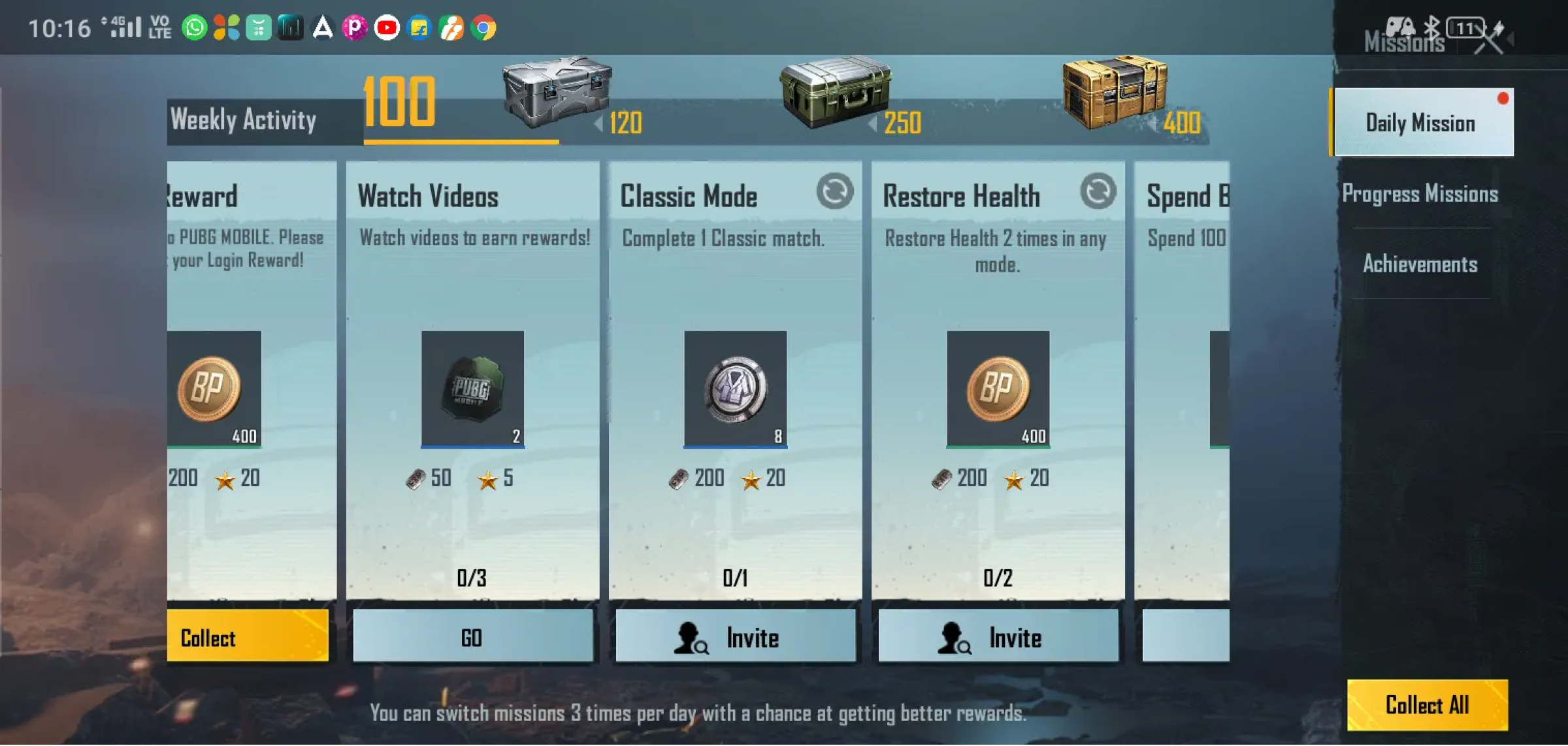
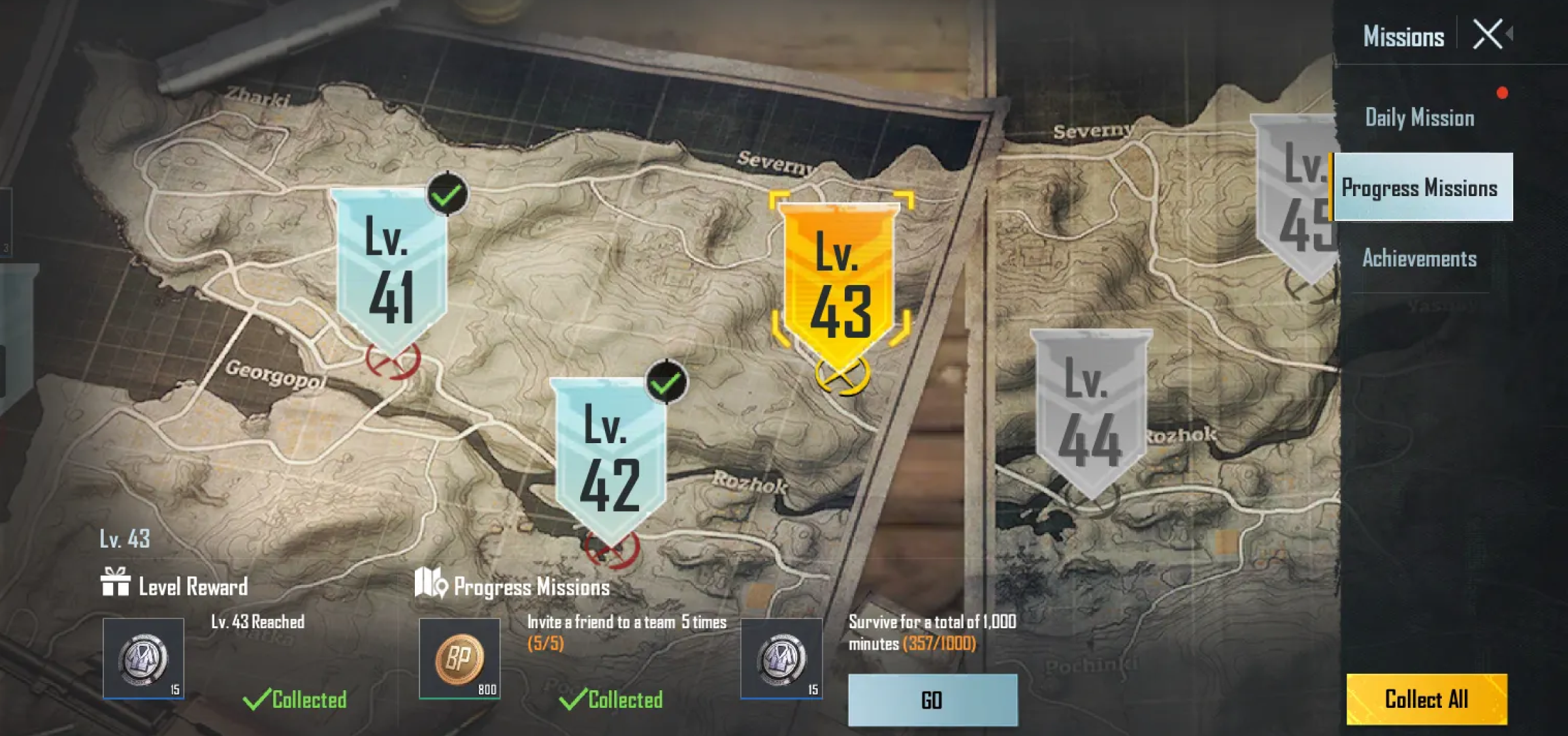
PUBG has exceptionally disguised this technique in its application. Now, there are other battle royale games that have used this method before in one way or the other but failed. And the prime reason for that was a less attractive and cluttered UI. PUBG learned from those mistakes that their competitors did and came up with a better and a more clutter-free UI and it worked.
The Royale Pass
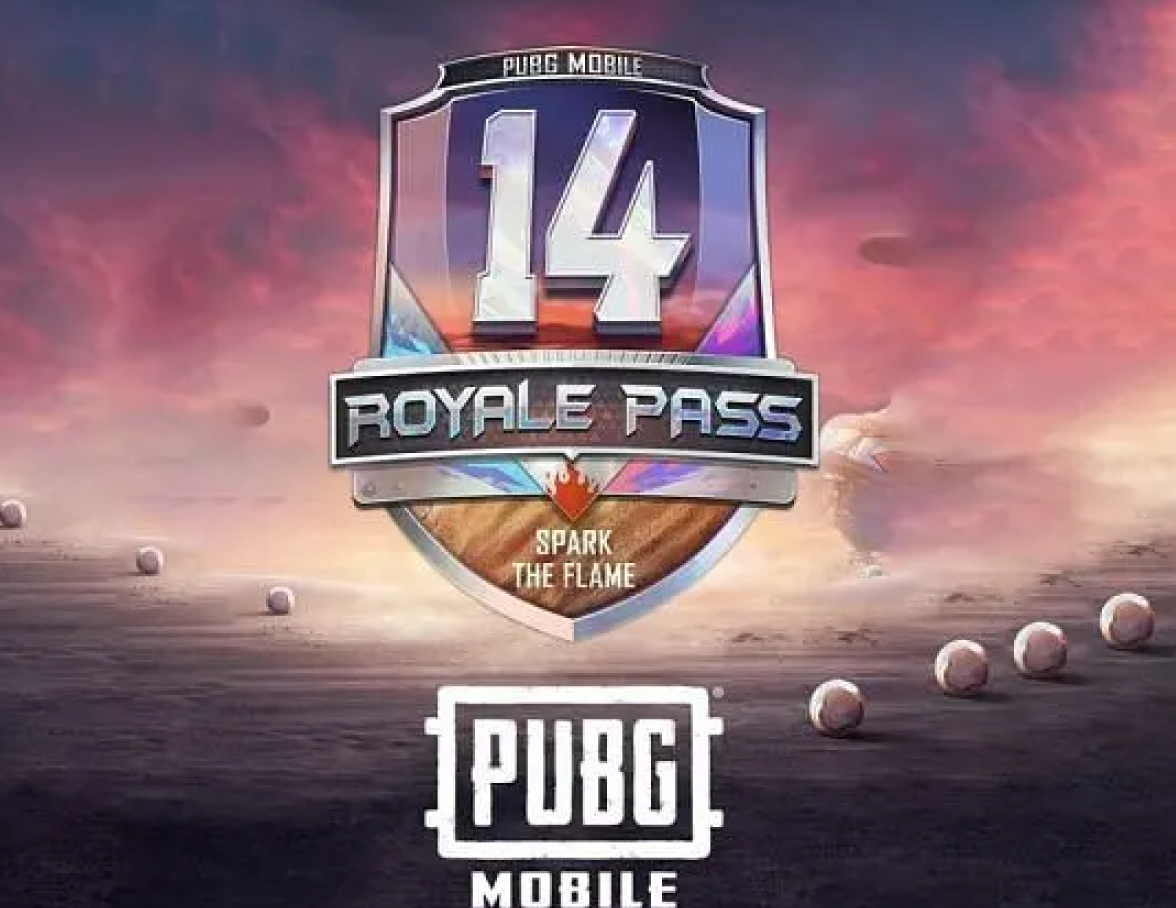
Now there is one feature, I need to focus on. It’s called Royal Pass (RP). For those unfamiliar with the term, PUBG progresses in seasons and each season lasts for roughly 3 months. Apart from the normal matches, there will be small tasks that a player should complete within each match he plays. For every completed task the player receives 10 or 20 coins. Upon receiving 100 coins, the player will get 1 Royal Pass (RP). RP can also be considered as a player’s rank. Keep in mind that these RP’s reset after each season. And the players will also be gifted with some other accessories and gadgets that can be used inside the game upon receiving 10 or 20 RPs. This means that the player gets something new every 2 or 3 games. The player has to earn them; in other words, the player has to “progress” to earn his gifts. Of course, there is an option for the players to not chase the RP’s and just keep playing the game. That’s what I initially did while playing PUBG. But when you find that your co-player/friends are getting new costumes or unlocking new weapons, while you are stuck at level 1 even though you have been playing the game regularly, you tend to hunt for RP’s. When you start hunting for RP’s, you, in turn, spend more time playing the game.
This doesn’t mean that the player has to keep on playing the same game over and over to progress and earn the RP’s. The game developers have given serious thought to this and have come up with some solutions. There are multiple maps or locations to choose from various game modes. Now you might think, this is what almost all games offer, right? I won’t argue with you on that, because there are other games which use the same method successfully but not quite as successful as PUBG. The reason for this is, PUBG keeps updating their existing maps/locations and sometimes even adds new ones every now and then. So when there is a new map or a new feature update, you get a notification which tempts you to log in and check out. It’s not just that, they have a map in arcade mode called “Gun game” which is available only a couple of times in a week. When you like something and it’s just accessible for a limited period, what will you do? You make the maximum of it, right? It’s basic human nature and PUBG has cashed in on that. Brilliant.. Very brilliant.
Learn from PUBG
It is often said and believed that UX and human psychology go hand in hand. Developing an application isn’t really a task. However, getting people to love the app and to choose it over the zillion similar options available in the market is quite laborious. You need to do thorough research about — the user psychology, the target age group, what features they are fond of in your application, what more do they expect and so on. The key is to analyse and continuously update your app accordingly. PUBG is the perfect example of that and this is exactly what makes PUBG the coolest ‘Battle Royale’.